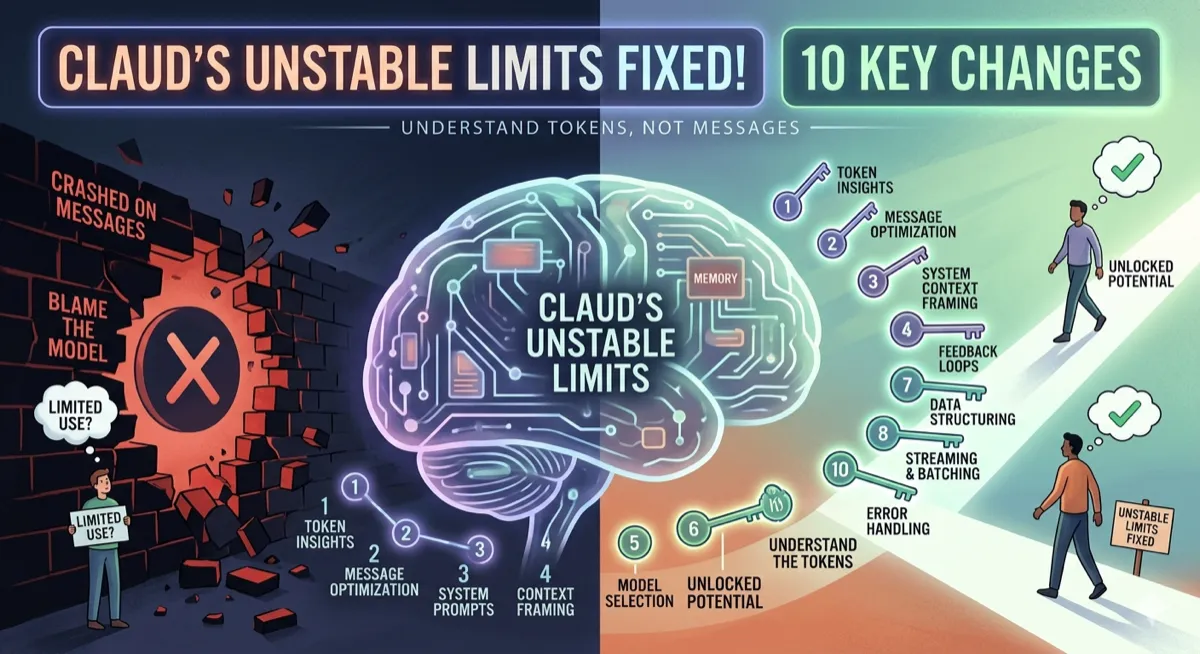
I Stopped Hitting Claude's Limits — Here Are the 10 Things I Changed
Most people blame Claude when they hit the wall. The real culprit is how they're using it. Tokens aren't counted per message — they're counted per token.
đź‘‹ Welcome to Reliable Data Engineering
Glad you're here! Sign up to bookmark articles, highlight passages, leave notes other readers can see, and pick up where you left off.

Most people blame Claude when they hit the wall. The real culprit is how they're using it. Tokens aren't counted per message — they're counted per token.
This open-source Claude Code plugin generates living architecture diagrams committed to git, drillable, and kept fresh by AI.

Career-Ops: an open-source multi-agent system built on Claude Code that evaluated 740+ job offers, generated 354 tailored CVs, and landed its creator a Head of Applied AI role. Now on GitHub.

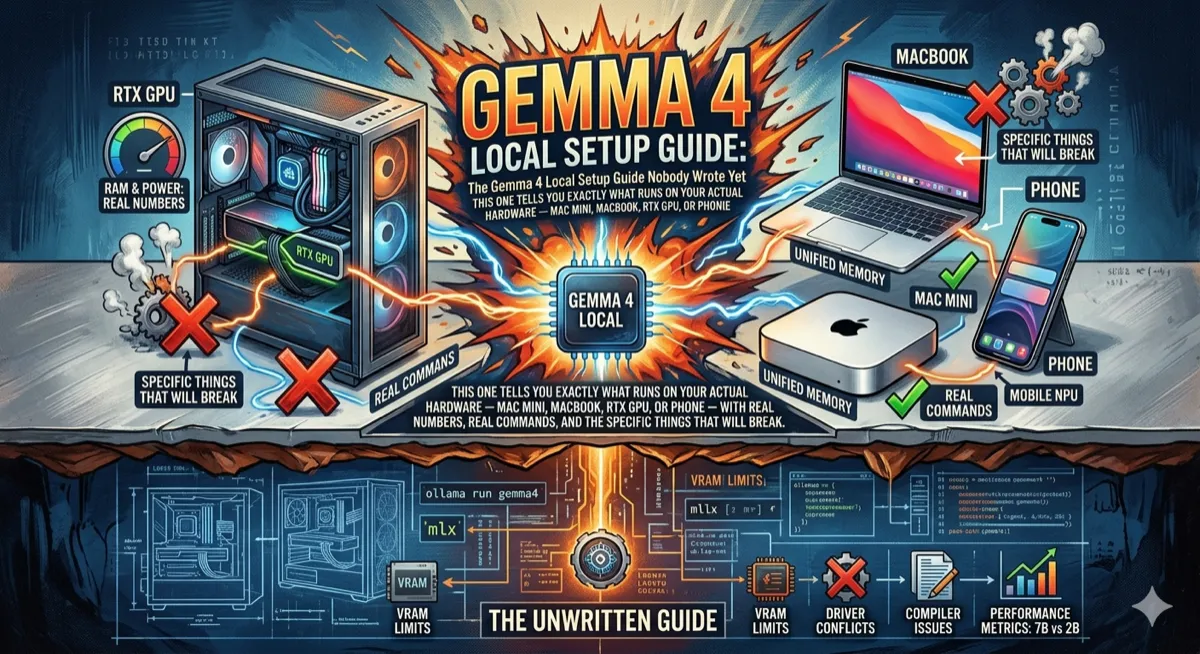
Hardware-specific guide to running Gemma 4 locally: which model fits your Mac/GPU, Ollama vs MLX, Apple Silicon memory tuning, real tok/s numbers, and troubleshooting the things that actually break.

AutoAgent autonomously builds and optimizes agent harnesses without human engineering, achieving #1 on SpreadsheetBench (96.5%) and top GPT-5 score on TerminalBench (55.1%) in 24-hour runs.

Google DeepMind's Gemma 4 brings frontier-level reasoning to local hardware under Apache 2.0: 89.2% AIME, 80% LiveCodeBench, runs on phones to Mac minis, with native function calling and 256K context.

Complete incident analysis of the March 31, 2026 Claude Code npm source leak, the coincidental axios supply chain attack, and what it means for developers and Anthropic's security posture.

Andrej Karpathy's LLM-powered personal knowledge base workflow: how he uses AI to compile, maintain, and query a 400K-word research wiki without vector databases or RAG.

A solo agent costs $9 and ships broken software. A three-agent harness costs $200 and builds a retro game maker from one sentence. Here's how the engineering actually works.

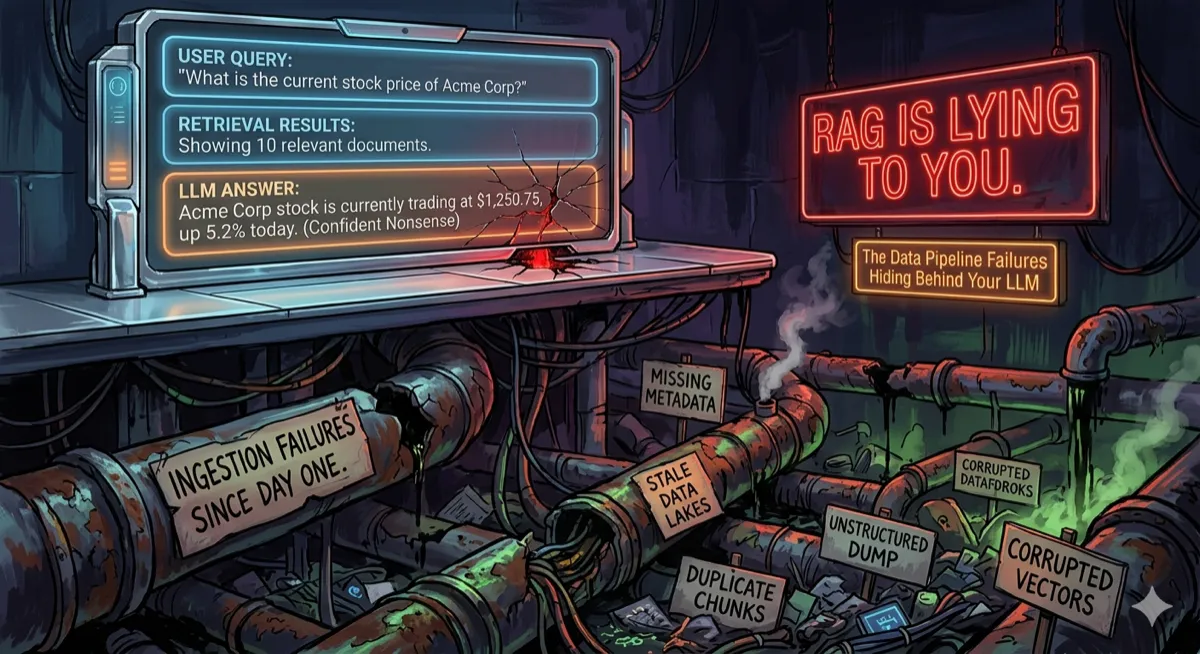
80% of RAG failures trace to chunking decisions. Your retrieval returns results, your LLM generates answers, and your users get confident nonsense.

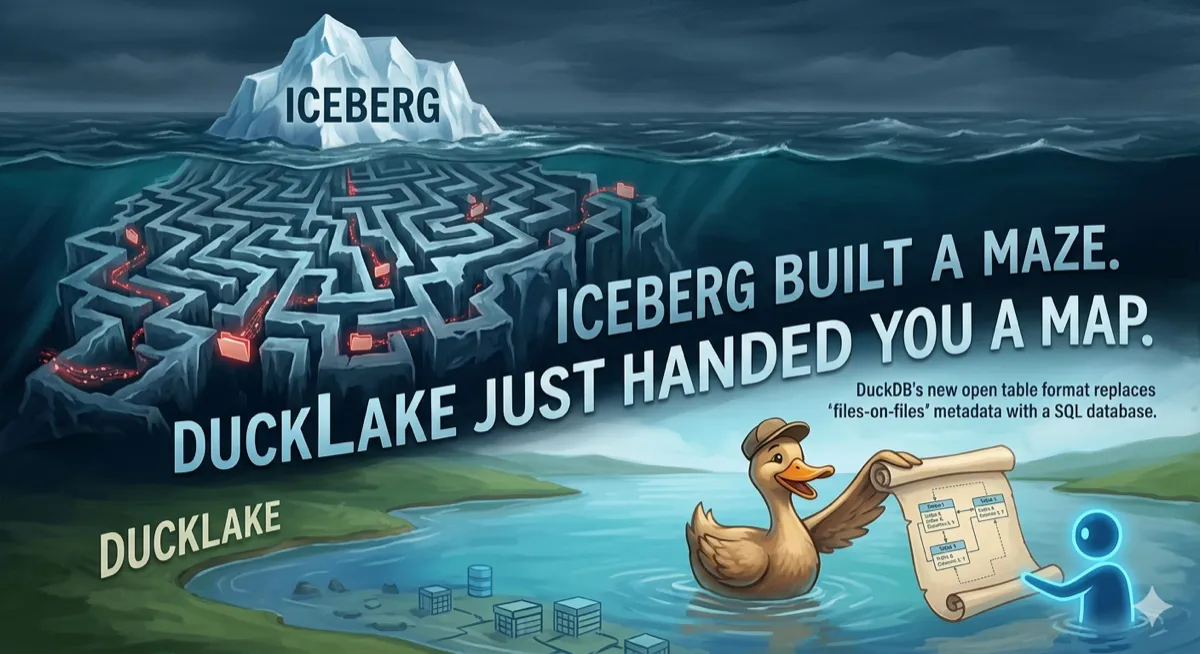
DuckDB's new open table format ditches files-on-files metadata and replaces it with a SQL database. One query resolves everything.

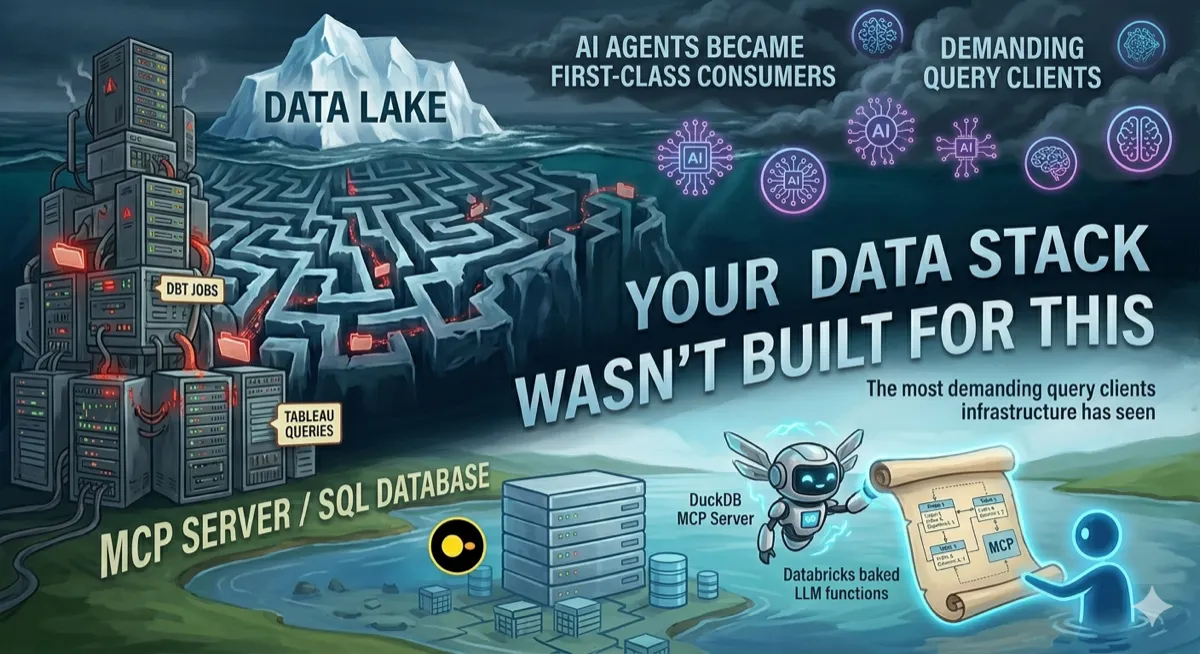
DuckDB has an MCP server. Databricks bakes LLM functions into ETL. AI agents are becoming the most demanding query clients your infrastructure has ever seen.

MiroFish spawns thousands of AI agents with memories, personalities, and opinions, then watches what breaks loose — 45k GitHub stars and counting.

Shrink your LLM's memory footprint by 6x, speed up attention by 8x, and lose almost nothing in accuracy — no retraining required.

A misconfigured CMS exposed Claude Mythos, Anthropic's most powerful AI model ever built. Three thousand files. A new model tier. And a cybersecurity panic that moved markets.

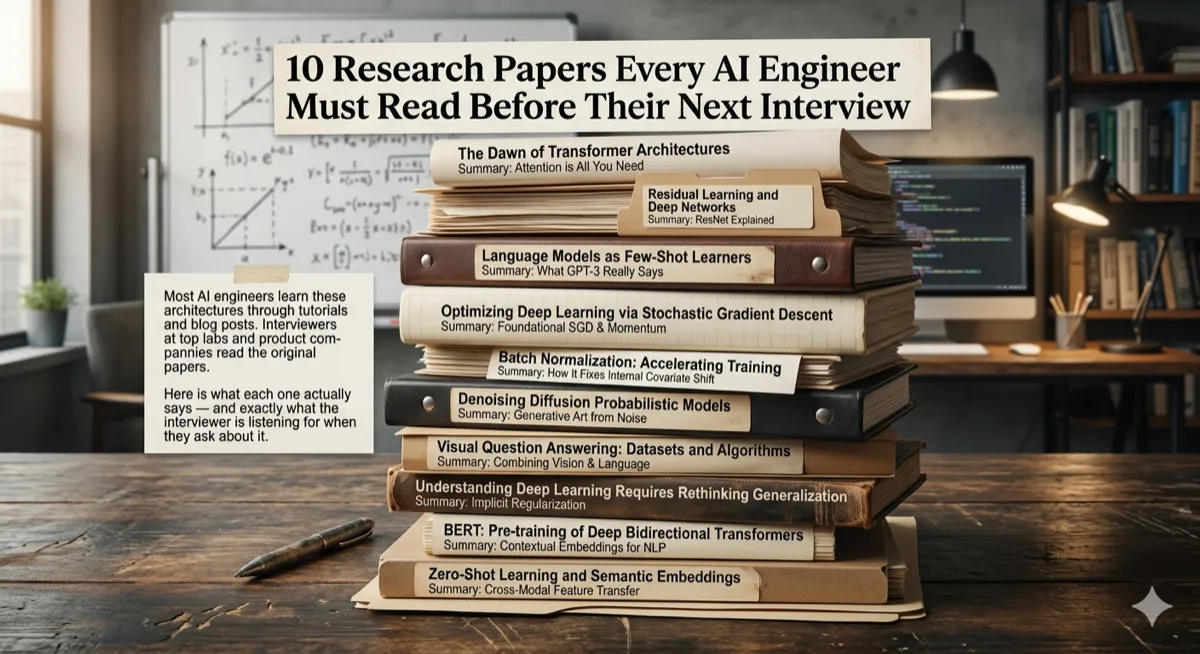
The ten papers that actually come up in AI engineering interviews — what each one says, why it matters, and the exact questions interviewers ask about them.

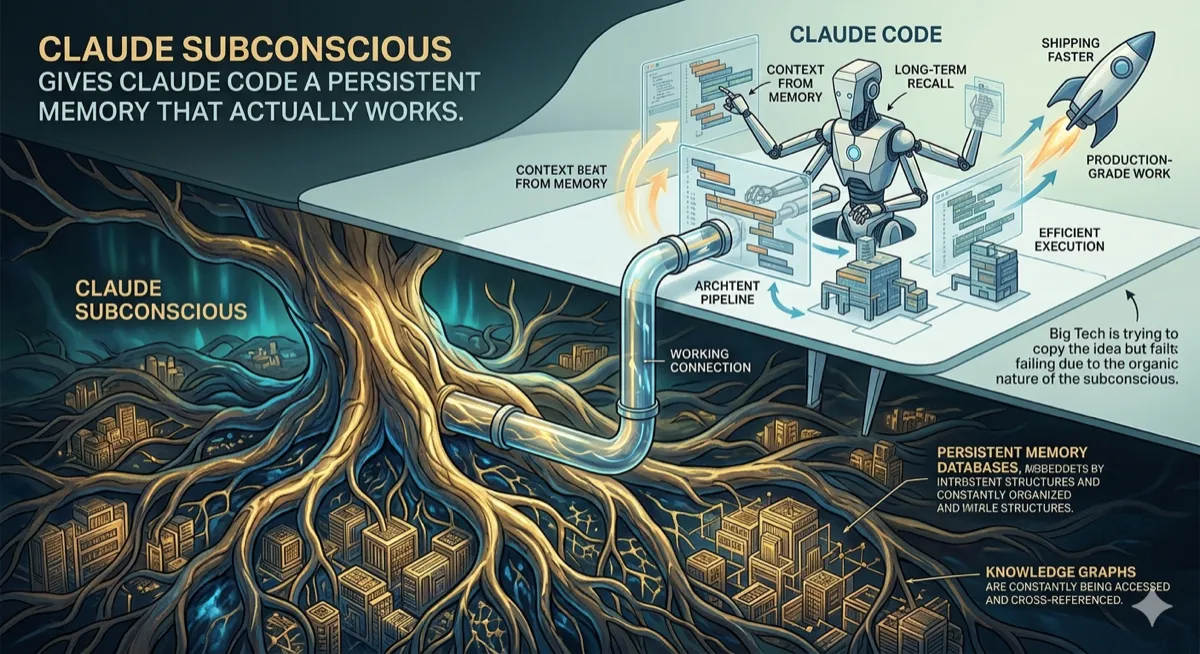
A background agent that runs silently after every Claude Code response, building and surfacing context across sessions without adding latency to your workflow.

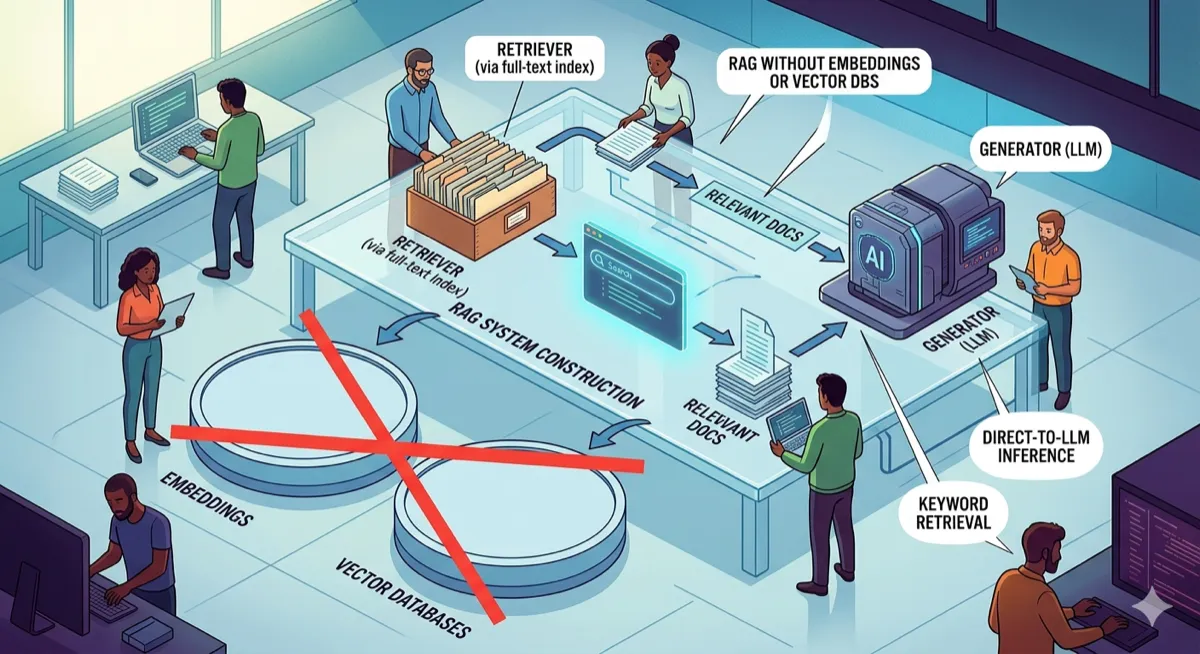
PageIndex turns documents into navigable trees. An LLM reasons through the hierarchy to find answers — no embeddings, no similarity search, just structured retrieval.

Apple locked down the ANE for inference only. A weekend project cracked it open for training. The results are real, the limitations are stated up front, and Apple probably isn't thrilled.

ClawWork dropped 220 professional tasks across 44 job categories, gave AI agents $10 each, and told them to survive. One agent turned that into nearly twenty grand.

“We spent two years building what marketing calls the future of data architecture. It is a database with more vendors.”
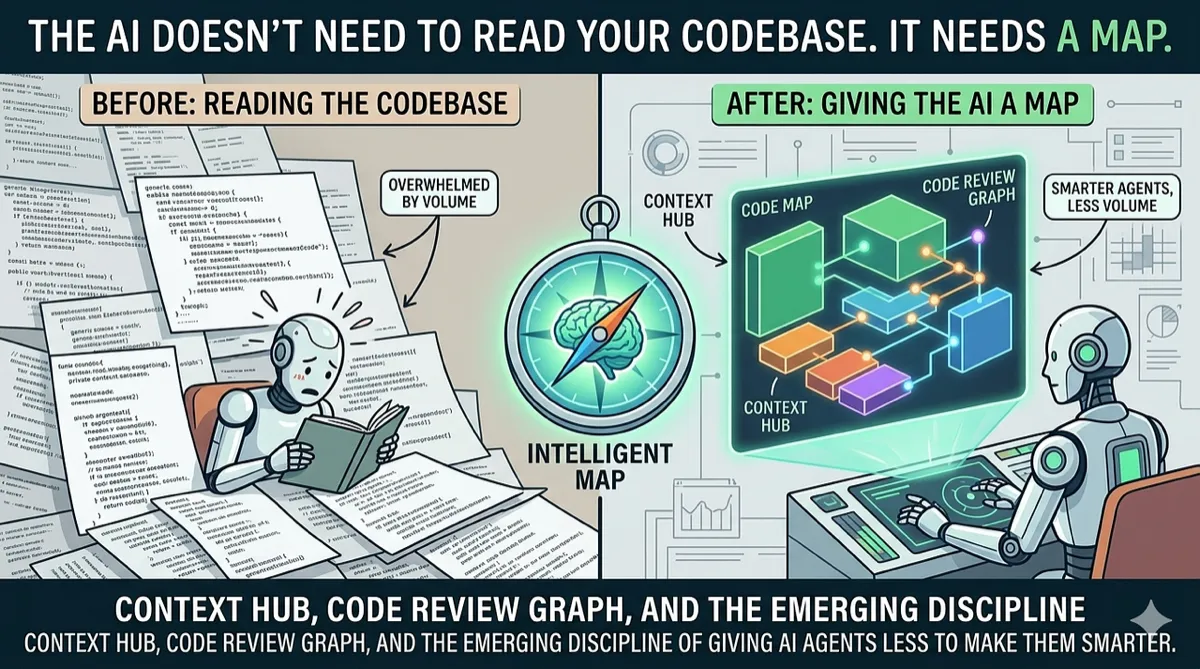
Context Hub, Code Review Graph, and the emerging discipline of giving AI agents less to make them smarter.

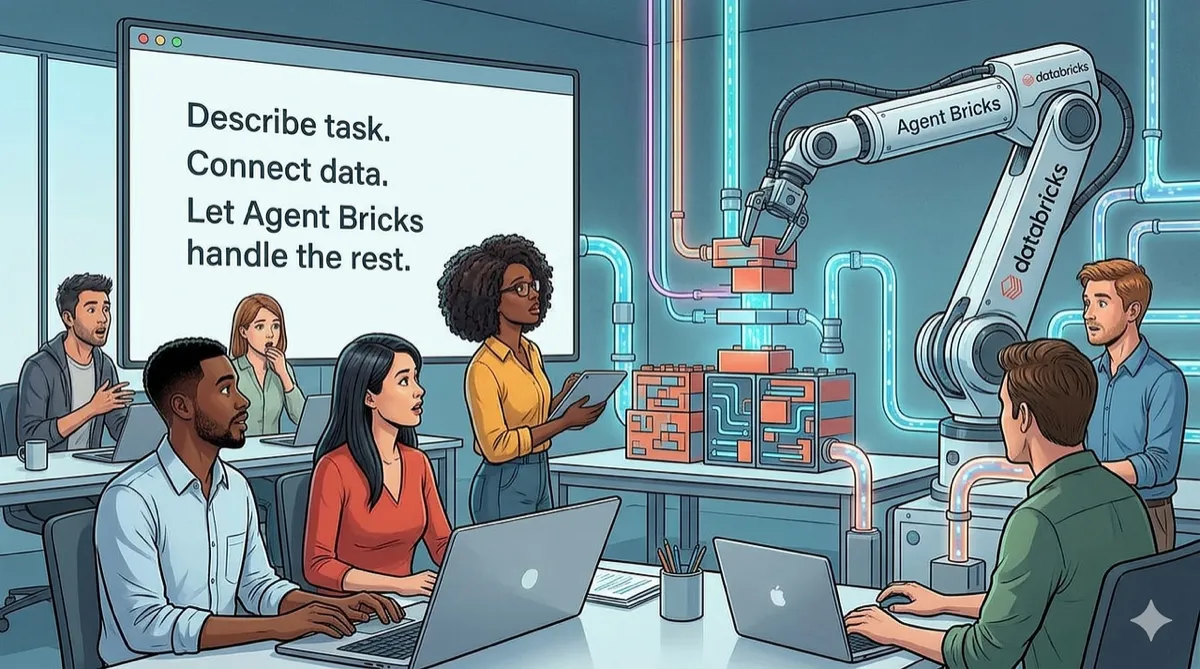
Describe the task. Connect your data. Let the platform handle the rest. That is the promise of Agent Bricks — and for a specific, important set of data engineering problems, it is actually delivering on it.

Why the open-source data world is buzzing about CMU’s new columnar format — and why Parquet’s decade-long reign might actually be ending

A controversial thesis on why ETL, data warehouses, and the entire modern data stack are about to become as obsolete as floppy disks — and what’s coming to replace them

AI coding agents are blind — they read files but don't see structure. A 16K-star open-source project is changing that by building knowledge graphs that make agents actually understand codebases.

One plugin scans a desktop app's source code and generates a complete command-line interface for it, so AI agents can use software that was built for humans.

AutoResearch gives an AI agent one file, one GPU, and one metric. The agent modifies the code, trains for 5 minutes, checks if it improved, and repeats all night long. The results are surprisingly good.

There's a page on developer.nvidia.com that lists every major open model, with optimized containers, tutorials, and deployment guides for each one. It's the best-organized AI resource nobody talks about.

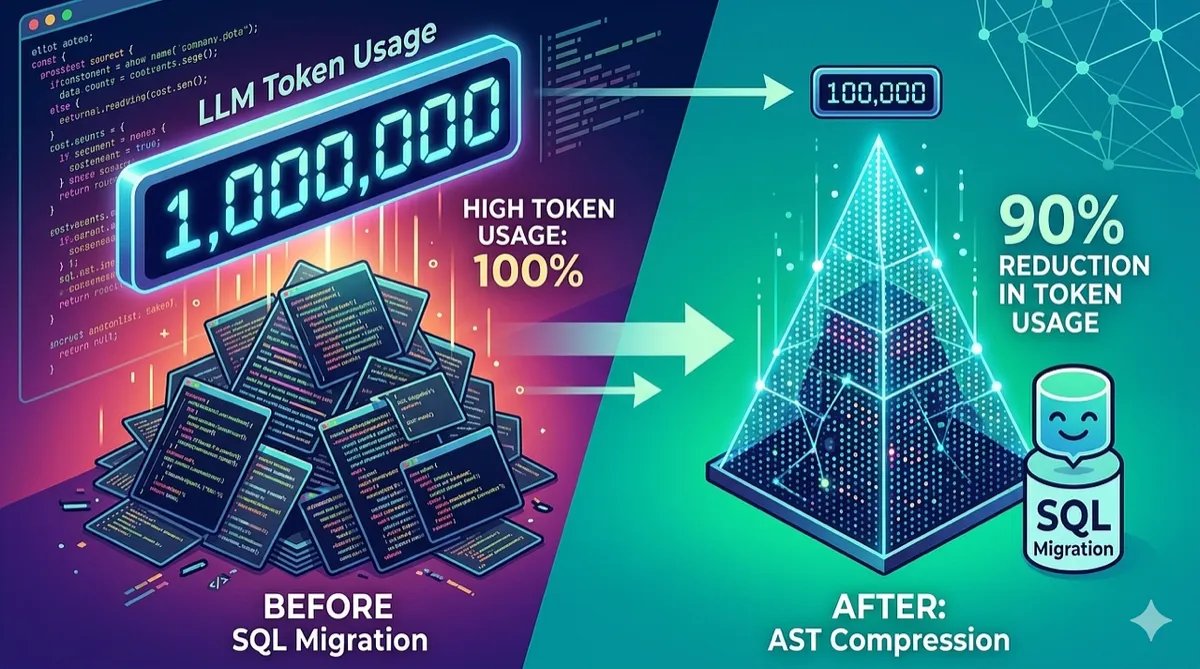
Feeding 200K-character SQL files to an LLM is expensive and unreliable. We built TOON — a compact AST notation that gives the model structural awareness at a fraction of the token cost.

A lobster-themed open-source project just became the fastest-growing AI repository in GitHub history. It turns WhatsApp, Telegram, and Slack into an operating system. Here's why Jensen Huang compared it to a computer — and what people are actually doing with it

Anthropic's agentic CLI reads your codebase, edits files, runs commands, and commits changes. No IDE plugin. No web UI. Just a terminal that understands what you're building.